
Empower Your Purpose: Why Veterans Make Unbeatable Entrepreneurs
Ever wonder what makes veterans so successful in business? This post dives…
subscribe to our newsletter to get latest updates

Transitioning from military service to entrepreneurship can feel like navigating unfamiliar terrain. This guide breaks down every essential step—validating your idea, handling legal requirements, building a brand, securing funding, and scaling your operation—so you can turn your mission focus into business success.
Before investing time or capital, confirm that your concept meets real market needs. Skipping this step can lead to wasted resources and frustration.
Identify your target customers by surveying veteran networks, analyzing industry reports, and studying competitors. Use free tools like Google Trends and veteran-focused forums to gather insights on demand and pricing.
Tap into Veteran Business Outreach Centers, mentorship programs, and peer groups to share your concept. Honest feedback from fellow service members can help refine your value proposition and product features.
Develop a simplified version of your product or service and offer it to a small group of clients. Collect feedback through surveys and interviews, then iterate before a full launch.
Once your idea is sound, lay the legal groundwork to protect yourself and add credibility to your brand.
Compare sole proprietorship, LLC, and corporation based on liability, tax implications, and growth plans. Veterans often choose an LLC for its balance of protection and simplicity.
Register with your state’s secretary of state, obtain an Employer Identification Number (EIN) from the IRS, and secure any industry-specific licenses or permits.
Apply for the VA’s CVE certification or your state’s VOB registry. These credentials boost authenticity and open doors to federal contracting opportunities.
In a crowded marketplace, a clear brand and targeted marketing plan help you stand out and connect with customers.

Define your mission, values, and visual style. Incorporate authentic veteran narratives—service mottos, unit heritage, or transition stories—to forge an emotional bond with your audience.
Mix social media ads, email newsletters, and local events. Use hashtags like #VetStartup and #ServiceToStartup to reach patriotic consumers and fellow veterans.
Share behind-the-scenes glimpses of your journey, host live Q&A sessions, and encourage user-generated content such as photo reviews and testimonials to build trust and community.

Access to capital and disciplined money handling are critical for sustaining and growing your venture.
Investigate SBA Veteran Advantage Loans, Service-Disabled Veteran-Owned Small Business set-asides, grants from nonprofits like StreetShares Foundation, and crowdfunding platforms tailored to veterans.
Set up robust accounting software, maintain separate business accounts, and schedule monthly financial reviews to track cash flow, expenses, and performance metrics.
Forecast costs for marketing, inventory, and staffing. Allocate a contingency fund to cover unexpected expenses and avoid cash shortages.
After you achieve initial traction, focus on strategies to expand your reach and solidify your market position.
Recruit talent aligned with your mission. Provide clear roles, ongoing training, and a culture of accountability and support to retain top performers.
Analyze customer feedback to identify complementary offerings. Pilot new products with loyal customers before a full rollout to minimize risk.
Collaborate with other veteran-owned businesses, nonprofits, and industry associations for co-marketing, referral networks, and resource sharing.
Have questions about launching your veteran-owned startup? Here are the answers to the queries we hear most often.
Conduct market research with surveys and veteran networks, then test your concept with a minimum viable product to gather actionable feedback.
Many select an LLC for liability protection and tax flexibility, though sole proprietorship or corporation may suit different growth and ownership models.
Explore SBA loans, SDVOSB set-asides, nonprofit grants, VA programs like Boots to Business, and veteran-focused crowdfunding platforms.
Incorporate authentic service stories into your mission statement, design a consistent visual identity, and engage audiences through storytelling and events.
Use dedicated accounting tools, separate personal and business finances, schedule regular financial reviews, and maintain a contingency fund.
Build a mission-driven team, pilot new offerings with loyal customers, and develop partnerships that amplify your reach.

Your military training has equipped you with discipline, purpose, and leadership—now it’s time to apply those strengths to your business. Visit our store today for veteran-crafted products and resources designed to support your transition from service to startup.
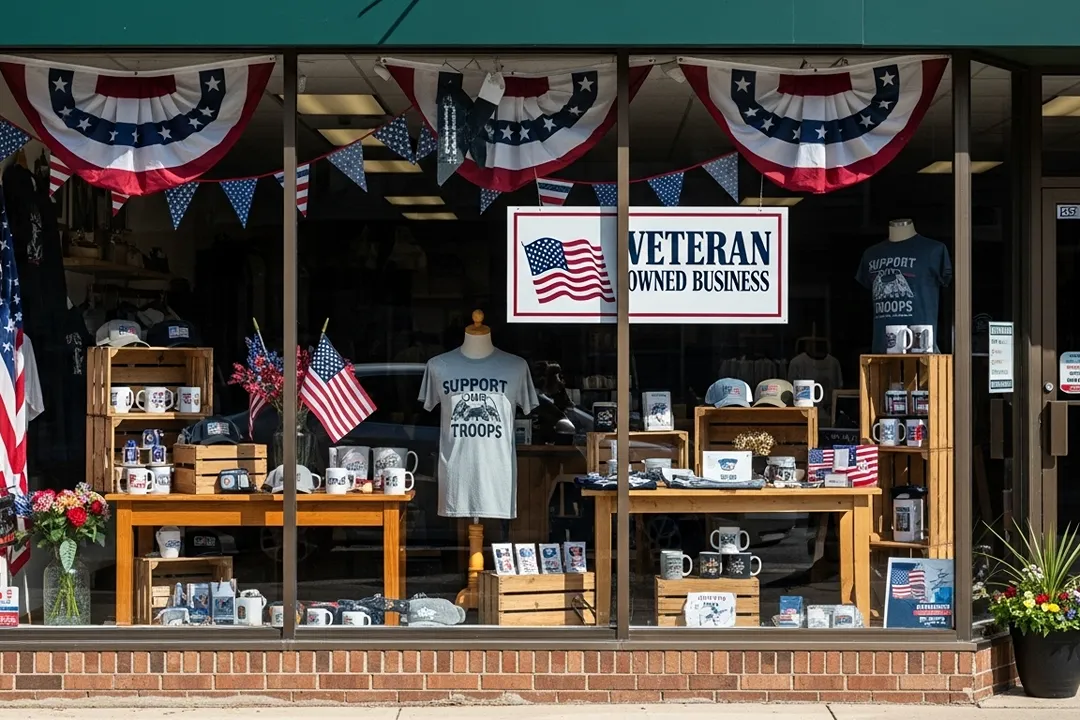


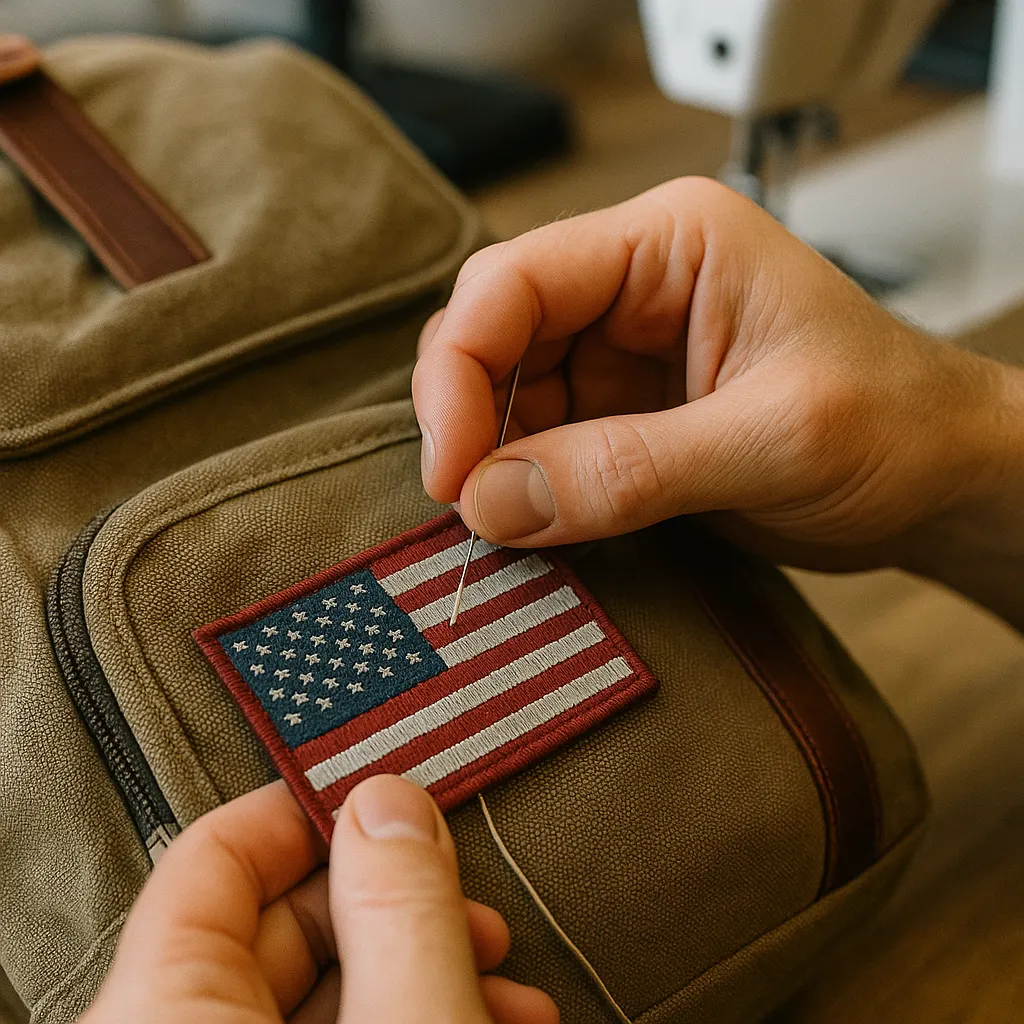

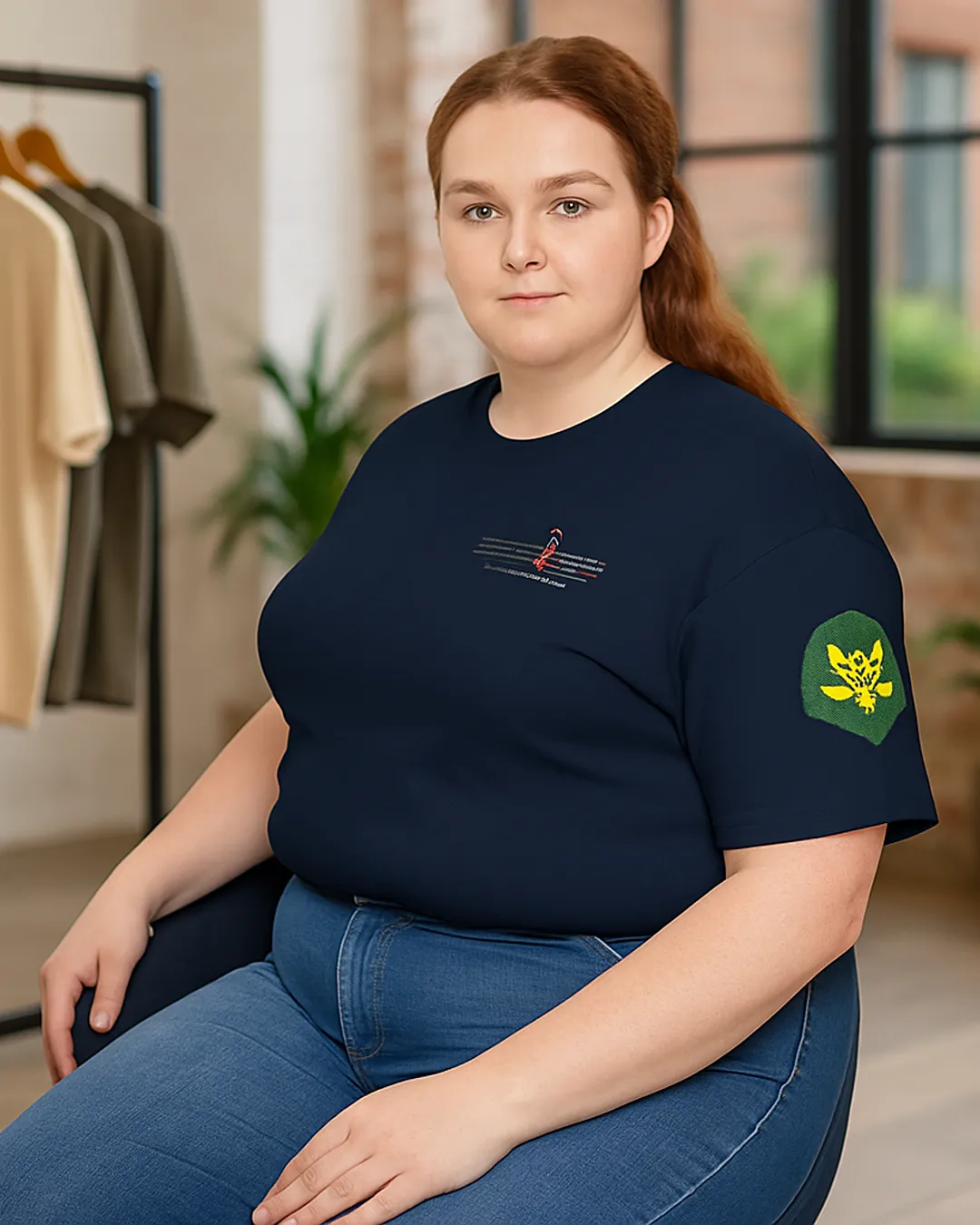

Built on service, made for real life. Veteran Designed creates quality tees and hoodies that last, support American jobs, and reflect what you stand for.